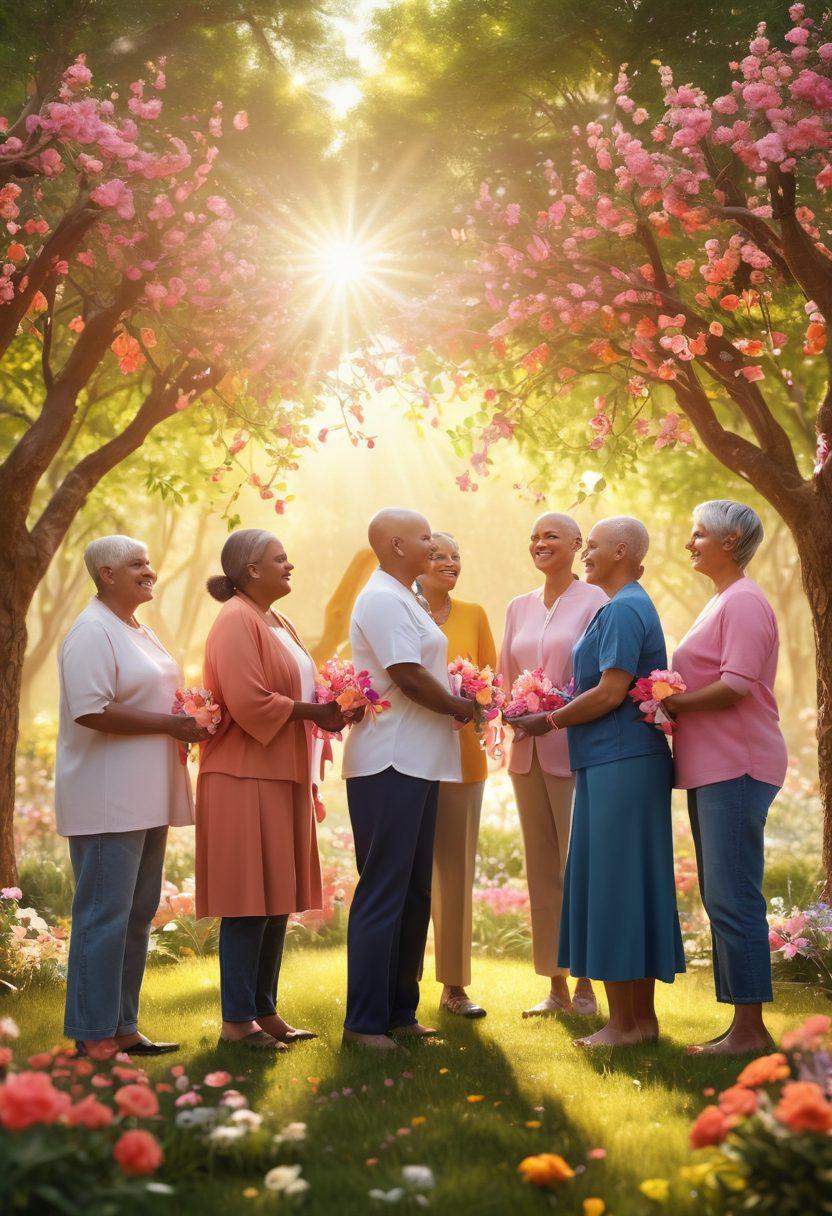
Navigating Cancer Care: Essential Insights and Support for Patients and Survivors
In the journey of cancer care, information is as crucial as the treatment itself. The mere mention of the word 'cancer' can evoke fear, anxiety, and uncertainty. But what if I told you that knowledge and advocacy could transform that fear into empowerment? Empowering patients is not just about surviving; it's about thriving through informed decisions, understanding treatment options, and connecting with resources that support both patients and their families. As we navigate through this complex terrain, let’s explore how we can turn confusion into clarity, one step at a time.
Understanding treatment options is paramount for anyone facing a cancer diagnosis. From chemotherapy to immunotherapy and radiation therapy, the spectrum of therapies available can be overwhelming. Each treatment carries its own set of benefits and side effects, and many patients often feel trapped choosing between them. Imagine sitting down with a patient guide that compares these cancer treatment options side-by-side! Such resources not only provide crucial medical insights on cancer but also assist patients in making informed decisions tailored to their individual needs and preferences. What options have you considered in your journey to recovery?
One of the most underappreciated components of cancer care is cancer advocacy. Patients often have to navigate not just the medical system but also a web of bureaucratic shortcuts and challenges. This is where advocacy comes in – standing by your side to open doors. Support groups for cancer patients play a vital role in this journey since they provide emotional support, share experiences, and often lobby for better resources and treatment options. Have you ever felt like just knowing someone else is facing the same challenges can lighten your burden? Lifelong connections can arise from such shared experiences, leaving you empowered to take charge of your health.
Education is a powerful tool. An oncology blog dedicated to cancer education can provide you with ongoing insights into tumor research, prevention techniques for cancer, and emerging treatment options. Staying informed about clinical trials not only presents new avenues for treatment but also offers hope for a brighter future. Have you checked out the latest innovations in cancer therapies? Engaging with this content can keep you well-equipped to discuss your treatment plan with your healthcare team, ensuring that you advocate effectively for yourself and for those you care about.
Finally, survivorship resources and palliative care mustn't be overlooked. Care isn’t just about treatment but also about making life fulfilling after the battle. Holistic cancer approaches can help in nurturing one’s emotional and physical well-being. Remember, emotional support for cancer patients is equally as essential as physical treatment. It’s not just about adding years to your life but life to your years! As you embark on this journey, remember: you are not alone. You're armed with information, a community that understands, and advocates who are ready to help you reclaim your story. What steps will you take today to empower yourself in your cancer care journey?
From Diagnosis to Survivorship: Essential Resources and Emotional Support Strategies
Navigating the journey from diagnosis to survivorship in the world of cancer care can often feel like walking through a dense forest without a map. Each twist and turn brings unexpected challenges, insights, and emotional upheavals. But remember, you are not alone in this journey. In the realm of cancer education and support, there’s an abundance of resources available to help light your path. Whether you’re just entering the world of oncology or you’re a seasoned survivor, understanding essential cancer treatment options and emotional support strategies can empower you in ways you may not yet realize. So, let’s delve deeper into this intricate tapestry of cancer care together.
When receiving a cancer diagnosis, a whirlwind of emotions often engulfs you – fear, confusion, perhaps even anger. It's like being thrown into the deep end of a pool without the skills to swim. How do you navigate the maze of medical options? Should you pursue chemotherapy, radiation therapy, or perhaps try immunotherapy? The choices can be overwhelming, but each option offers unique benefits and challenges that can be explored through patient guides and oncology blogs that provide clarity and insights. It's essential to become an advocate for your own health during this stage, asking questions and exploring clinical trials that might not only provide access to cutting-edge treatments but also contribute to important tumor research, ultimately enhancing our understanding of cancer.
Support groups for cancer patients can be a lifeline when the walls start to close in after a diagnosis. These groups foster a sense of community, turning isolation into connection. You may find individuals who have been on similar journeys, sharing emotional support and valuable tips that can empower you. Building these relationships fosters a nurturing environment, where conversations facilitate healing. Ever wonder how powerful sharing can really be? Oftentimes, just knowing someone else understands what you’re going through can be a balm to the soul. Remember, when you access these emotional support resources, you create an opportunity for resilience, learning, and even laughter amid the storm.
Survivorship isn’t merely surviving; it encompasses embracing life with renewed vigor. It’s about understanding the cancer symptoms that may linger and knowing how to manage them through holistic cancer approaches or palliative care. Strategies that encompass lifestyle changes, nutrition, and mental well-being can profoundly impact your quality of life post-treatment. It's not just about conquering cancer but finding ways to thrive afterward. Have you ever pondered how small early interventions or prevention techniques for cancer might lead to significant changes in the long run? Educating yourself about lifestyle adjustments and resources available can set you on a dynamic path of health and wellness.
Ultimately, navigating cancer care from diagnosis to survivorship is a multifaceted journey that calls for both medical insights on cancer and rich emotional support for cancer patients. It’s about finding hope, forging connections, and tapping into the vast reserves of knowledge available through cancer advocacy and community. Leveraging the experiences and insights of others can help illuminate your path, turning one of life’s hardest battles into a testament of courage and resilience. As you embrace these resources and strategies, consider this – what does ‘living’ look like for you post-cancer, and how can you manifest that vision collectively with those who care?
Exploring Innovative Approaches: The Latest in Tumor Research and Holistic Care for Cancer Patients
In the realm of cancer care, every day brings new developments and insights. Imagine stepping into a world where research and holistic healing converge, creating a sanctuary of hope for those grappling with cancer. This is not just a dream; it's the reality of modern oncology. In this vibrant landscape, the latest in tumor research and holistic approaches are reshaping the way we think about cancer treatment options. What does this mean for patients, survivors, and their families? Let’s explore the innovative methods and valuable resources that are paving the way for a brighter future in cancer care.
One of the most fascinating advancements in tumor research is the evolution of immunotherapy. This groundbreaking approach harnesses the body’s immune system to combat cancer cells. It's like having a superhero within your own body, equipped and ready to fight. For many, this has transformed the landscape of treatment options, offering hope where traditional methods may have faltered. Yet, it’s important to remember that while immunotherapy shows promise, patients must remain informed about both its benefits and potential side effects—because knowledge is power in the journey of cancer education. Could this be the turning point in how we approach cancer care?
Complementing conventional treatments like chemotherapy and radiation therapy are holistic cancer approaches, which focus on the whole person—body, mind, and spirit. Support groups for cancer patients often provide a haven of emotional support, addressing the personal battles people face beyond their physical symptoms. In these groups, individuals share their stories, their fears, and their triumphs, fostering a sense of community that is crucial in the healing process. Have you ever been part of a group where sharing burdens made them feel lighter? That's the essence of togetherness in the fight against cancer.
As more patients seek out survivorship resources and patient guides, the significance of palliative care has also come to the forefront. This form of care prioritizes comfort, ensuring that symptoms like pain and anxiety are managed effectively. Many people mistakenly believe that palliative care is only for end-of-life situations; rather, it's a supportive layer that can be woven into any stage of treatment, enhancing the quality of life. Patients deserve to not just survive but to thrive—how can we ensure that this care reaches everyone who needs it?
Embracing prevention techniques for cancer is equally vital in this conversation. Advances in screening methods and awareness campaigns help empower individuals to take proactive steps toward their health. Clinical trials remain a cornerstone for developing innovative therapies, connecting patients with cutting-edge treatments that might otherwise be unattainable. As we combine the latest medical insights on cancer with holistic methods, we foster an environment where treatment is not just about annihilation, but about restoration and hope. What would it mean to redefine treatments and outcomes together? Together, we can revolutionize the way we approach cancer care, forging paths toward healing that are as diverse as the patients we serve.